It's Time to Prepare for Medicare Annual Enrollment

September 9, 2026

Plan Ahead for the Best Results

As we head into fall, it's time to think about an important Medicare milestone: the Annual Enrollment Period. If you're on Medicare, this is your chance to review your coverage and make changes if your needs have shifted, or if there will be changes to your current plan that you don’t like.


Key Dates for Annual Enrollment in 2026


October 1, 2026: Plan details for 2027 go live. You can start comparing Medicare Advantage (Part C) and prescription drug (Part D) options in your area, though you can't make changes yet.


October 15 – December 7, 2026: Enrollment is officially open. This is when you can:


  • Join a Medicare Advantage or Part D plan
  • Switch to a different plan
  • Drop coverage or switch back to Original Medicare


January 1, 2027: Any changes you made take effect. Make sure you review your new plan documents so you understand your coverage and costs.


What About Medigap?


If you have a Medicare Supplement (Medigap) plan, it works differently. The rules for joining or switching a Medigap plan are more complicated than those for Medicare Advantage and Part D plans. Reach out to us to discuss your options.


How to Get Ready Now


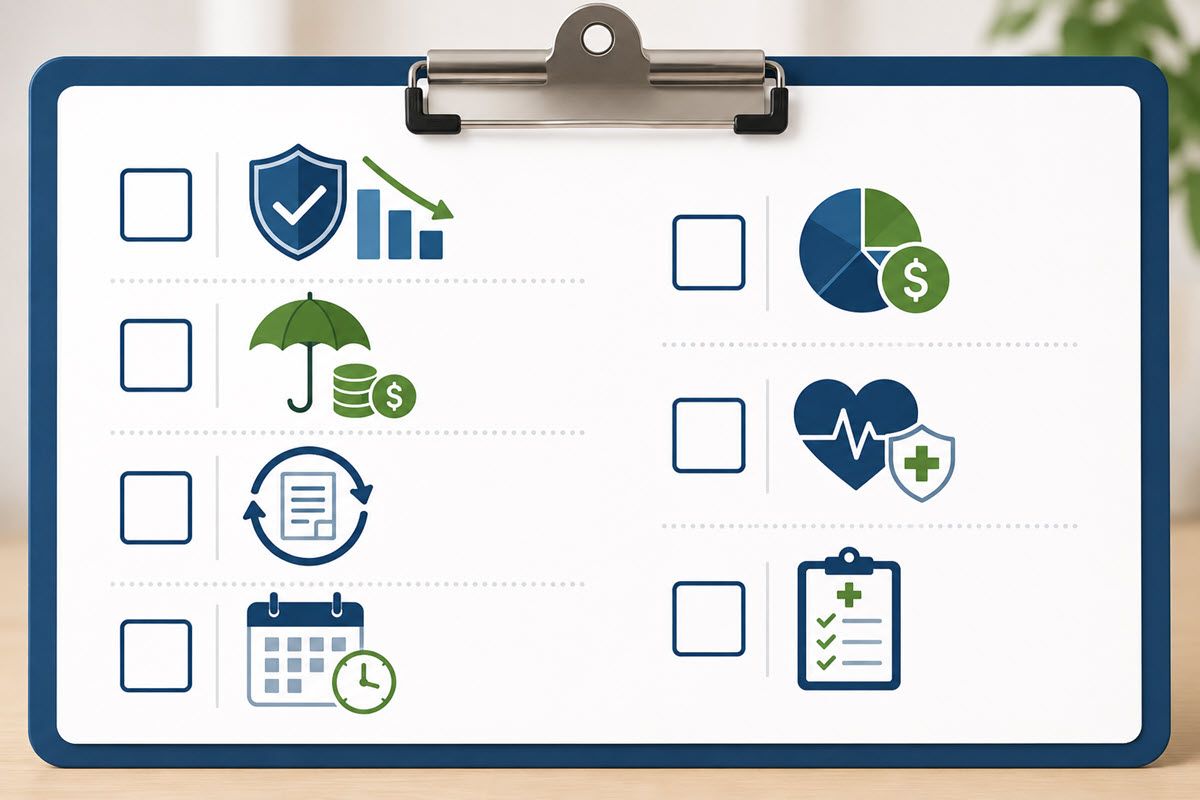
Between now and October, set aside some time to prepare.


  • Gather recent medical bills and receipts
  • Make or update your complete list of current medications and doses
  • List the doctors and hospitals you have used most over the past year
  • Check your current plan's summary of coverage
  • Watch for your Annual Notice of Changes (ANOC) from your health insurance company (usually arrives in late September)—this tells you what's changing in your coverage, costs, provider and pharmacy network, and benefits for 2027
  • Schedule a review session with our team starting October 1—slots fill up fast


The more organized you are, the easier it will be to make confident choices.


Let's Plan Ahead


Whether you want to stick with what you have or explore new options, we can help you understand your current plan, see what else is available, and make sure your doctors and prescriptions and other benefits are covered. Schedule now to meet with us starting October 1st.


If you have questions now about the process and what to expect, reach out anytime. We're here to help make the process as straightforward and successful as possible.

Children in costumes trick-or-treating with neighbors on a decorated porch at night, pumpkins glowing.
September 4, 2026
Keep Halloween safe and fun for the whole family. Use this simple checklist for costumes, pumpkins, trick-or-treating, candy, and driving safety this year.
Two people walking a dog along a wet park path in autumn
August 26, 2026
Learn how to prepare for health care costs in retirement, including Medicare, retiring before 65, long-term care, HSAs, and supplemental insurance options.
Four businesspeople in suits talking in a bright office lobby, one gesturing as the others listen.
August 19, 2026
Lifestyle spending accounts let employees use employer-funded dollars on what matters most to them. Learn how LSAs work, their pros and cons, and how to start.
Person sorting a stack of colorful mail envelopes at a table, holding a white envelope in front.
August 12, 2026
Every fall, Medicare Advantage and Part D plans mail an Annual Notice of Change. Learn what it means for your costs, coverage, and doctors next year.
Three coworkers smiling around a laptop in a bright office meeting room
August 7, 2026
Buying insurance online is fast, but a licensed agent can help you compare carriers, understand the fine print, and advocate for you at claim time.
Two people sit on a dock beside a sailboat, talking and holding drinks by the water.
July 22, 2026
Your permanent life insurance policy can build cash value, provide tax-friendly income, and offer easy access to funds while you're still alive. Here's how.
Smart home devices and emergency alert buttons on a floor and table, with a lit wall-mounted light panel.
July 15, 2026
See how smart lighting, robot vacuums, stove shut-offs, medication reminders, and fall monitors can help seniors at home, plus what Medicare and Medigap do and do not cover.
Two people reviewing papers at a table, one using a smartphone, in a bright home office
July 8, 2026
Struggling with Medicare costs? Learn about Medicare Savings Programs, Extra Help, and other programs that can lower your premiums and drug costs in 2026.
Two sparklers burning brightly against a dark orange background
June 29, 2026
Learn simple Fourth of July safety tips to help prevent injuries, fires, and accidents while enjoying fireworks and holiday celebrations. 
The word scam is written on a piece of paper next to a pile of money.
June 16, 2026
Imagine getting a call in the middle of the night from someone claiming to be your grandchild, panicked and in trouble. They say they’ve been in an accident or arrested—and they desperately need money. Your heart races. You’d do anything to help. That’s exactly what scammers are counting on. The Federal Communications Commission (FCC) has recently issued a warning about a rise in what's known as the “grandparent scam” —a sneaky and heartless scheme targeting older adults with urgent, emotional phone calls meant to trick them into sending money. What Is the Grandparent Scam? These scams usually start with a phone call from someone pretending to be your grandchild (or another close relative). They’ll say they’re in trouble—maybe stuck in jail or in a hospital—and they need money fast for bail, legal fees, or emergency expenses. To make things even more convincing, they may hand the phone off to someone pretending to be a lawyer or a police officer. And they’ll likely ask you not to tell anyone—saying it’s a “private” or “sensitive” situation. That sense of urgency is key to the scam. It’s meant to bypass your instinct to double-check and make you act fast—before you have time to think it through or talk to someone else. Why It Works—and Why It’s Dangerous These calls often come late at night or early in the morning, when you’re more likely to be caught off guard. The scammer might not even say who they are—just “Grandma, it’s me”—and hope you fill in the blank for them. From there, they use that information to sound more convincing. Some victims have been asked to send money via wire transfer, cryptocurrency, gift cards, or even in cash via courier—all methods that are difficult or impossible to trace or reverse. According to the FCC, scammers using this method have stolen tens of millions of dollars from seniors across the U.S. Watch for These Warning Signs If you or someone you love receives a call like this, here are some red flags that it could be a scam: High pressure and urgency – You’re told to act immediately Vague or strange details – They may not identify themselves clearly, or hope you’ll say the grandchild’s name for them Unverifiable location or story – They say they’re in jail overseas or in a place where you can’t easily check on them Unusual payment requests – Gift cards, Bitcoin, wire transfers, or cash deliveries Calls at odd hours – Scammers try to catch you when you’re less alert What To Do If You Get a Suspicious Call If something doesn’t feel right, trust your gut. Here’s what you can do to stay safe: ✅ Hang up and verify – Call your grandchild or their parent using a phone number you know is theirs ✅ Talk to someone you trust – A second opinion from a friend or family member can make all the difference ✅ Don’t rely on caller ID – Scammers often “spoof” numbers to make it look like someone you know is calling ✅ Block the number – Use your phone’s settings to block suspicious calls ✅ Report the scam – Contact the National Elder Fraud Hotline at 833-FRAUD-11 and file a complaint with the FCC What If You’ve Already Sent Money? First of all, don’t panic—and know that you’re not alone. Scammers are incredibly convincing, and even smart, cautious people have been tricked. Here’s what to do: Call your bank or payment service right away – They may be able to stop or reverse the transaction if it's recent Report it – Contact the FCC, your local police, and the FBI’s Internet Crime Complaint Center at ic3.gov Let your family know – They can help protect you and others from future attempts Help Protect Others, Too The more people know about this scam, the harder it becomes for criminals to succeed. Please share this information with friends, neighbors, and especially your older loved ones. A quick conversation now could prevent a heartache later. And remember—if you ever get a call like this and aren’t sure what to do, don’t rush. Take a breath, hang up, and check in with someone you trust. Real family emergencies don’t come with secret demands or payments via gift cards.
Show More