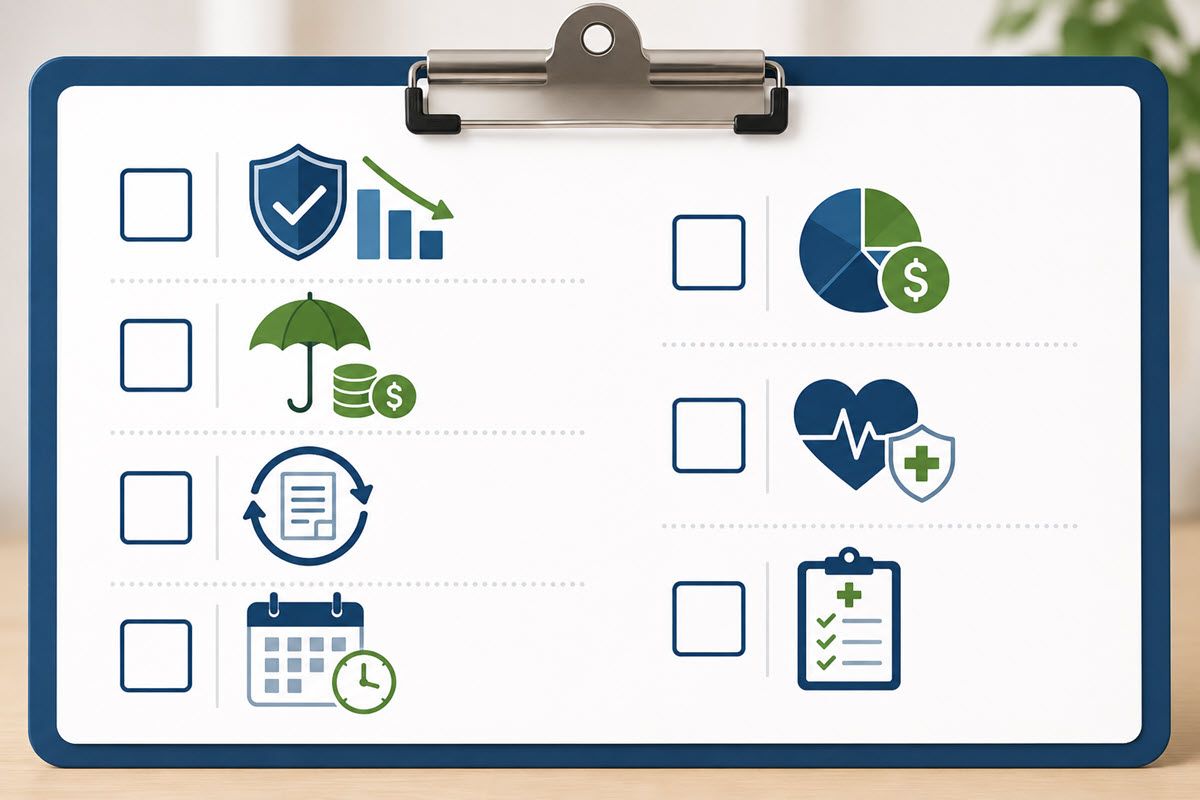
Preparing for Health Care Costs in Retirement

August 26, 2026

What Every Future Retiree Should Know

For many Americans, one of the biggest financial surprises in retirement isn't travel, hobbies, or helping with the grandkids. It's health care.


While Medicare provides valuable coverage beginning at age 65 for most people, it doesn't eliminate medical expenses. Premiums, deductibles, copays, prescription costs, dental care, vision services, hearing aids, and long-term care can all create significant out-of-pocket costs. And for those who retire before age 65, the costs can be even higher.


The good news is that, with thoughtful planning, you can prepare for these expenses and avoid having health care derail your retirement goals.


How Much Should You Expect to Spend?


The Employee Benefit Research Institute (EBRI) estimates that Medicare beneficiaries spend an average of about $4,000 annually in out-of-pocket health care expenses, not including insurance premiums.


Those costs include expenses such as:


  • Deductibles and copays
  • Coinsurance
  • Prescription medications
  • Dental and vision care
  • Other routine medical expenses


While recurring costs tend to remain fairly predictable, unexpected health events, such as a heart attack, stroke, cancer diagnosis, or major surgery, often create the largest financial burden.


EBRI found that adults ages 65 through 84 spend roughly $4,000 annually on out-of-pocket medical costs, while households age 85 and older average more than $6,000 each year as health care needs increase.


Retiring Before 65? Plan for Much Higher Health Insurance Costs


If you're planning to retire before becoming eligible for Medicare at age 65, health insurance may become one of your largest retirement expenses.


Without employer-sponsored coverage, many early retirees purchase insurance through the Affordable Care Act (ACA) Marketplace, a spouse's employer plan, COBRA (temporarily), or a private individual policy.


How much should you budget?


A reasonable planning estimate for many early retirees is:


  • $8,000 to $10,000 annually for an individual
  • $18,000 to $25,000 annually for a couple


Your actual costs will depend on several factors, including:


  • Your age
  • Household income
  • State of residence
  • Tobacco use
  • The level of coverage you choose
  • Whether you qualify for ACA premium tax credits


Keep in mind that premiums are only part of the equation. You'll also want to budget for deductibles, copays, coinsurance, and prescription costs. Many financial planners recommend setting aside an additional $2,000 to $5,000 per person per year for out-of-pocket medical expenses, depending on your health and chosen plan.


For households retiring several years before Medicare eligibility, these expenses can total well into six figures, making health care one of the most important line items in any retirement income plan.


Don't Overlook Long-Term Care


One of the greatest financial risks in retirement is the potential need for long-term care.


Many people mistakenly believe Medicare pays for nursing home care. In reality, Medicare generally covers only short-term skilled nursing care following a qualifying hospital stay. It does not pay for ongoing custodial care, such as assistance with bathing, dressing, eating, or other daily activities.


Long-term care costs continue to rise nationwide. According to Genworth's Cost of Care Survey, average annual costs commonly exceed:


  • More than $100,000 for a private nursing home room
  • Over $60,000 for assisted living
  • Tens of thousands annually for home health aides and adult day services


Without a plan, even a relatively short stay in a care facility can significantly reduce retirement assets.


Five Ways to Prepare


Fortunately, there are several steps you can take today to prepare for health care expenses in retirement.


1. Build Your Health Savings


If you're still working and enrolled in a qualified high-deductible health plan, a Health Savings Account (HSA) remains one of the most tax-efficient ways to save for future medical expenses.


HSAs offer three valuable tax advantages:


  • Tax-deductible contributions
  • Tax-deferred investment growth
  • Tax-free withdrawals for qualified medical expenses


Unlike Flexible Spending Accounts, unused balances carry over indefinitely, making HSAs an excellent retirement savings tool. Just remember that once you're enrolled in Medicare, you can use the HSA to pay for expenses, but you can no longer contribute to it.


2. Enroll in Medicare at the Right Time


Missing your Medicare enrollment window can result in permanent late enrollment penalties.


Most people become eligible at age 65, with a seven-month Initial Enrollment Period beginning three months before their birthday month and ending three months afterward. If you're still working, your enrollment options may differ depending on your employer's size and coverage.


3. Review Supplemental Coverage


Original Medicare leaves beneficiaries responsible for several out-of-pocket costs.


Many retirees choose Medicare Supplement or Medicare Advantage plans to help manage expenses and, depending on the plan, receive additional benefits such as dental, vision, hearing, or wellness programs. Since benefits and provider networks can change annually, reviewing your coverage every year is a smart habit.


4. Explore Long-Term Care Insurance


Long-term care insurance may help cover services that Medicare generally does not, including:


  • Nursing home care
  • Assisted living
  • Home health care
  • Adult day care
  • Certain hospice-related services


Premiums are generally lower and underwriting is easier when coverage is purchased before significant health issues develop.


5. Evaluate Critical Illness Coverage


A major illness can create expenses that go far beyond hospital bills.


Critical illness insurance provides a lump-sum cash benefit after the diagnosis of certain covered conditions, such as heart attack, stroke, cancer, kidney failure, or organ transplant, depending on the policy. The money can be used however it's needed, from paying deductibles and travel expenses to replacing lost income or covering everyday household bills.


Prepare Now, Worry Less Later


Health care is one of the few retirement expenses that almost everyone can expect to increase over time. Whether you're planning to retire at 55, 62, 65, or later, understanding your potential medical costs—and creating a strategy to address them—can help protect your retirement savings and provide greater financial confidence.


The earlier you begin planning for insurance premiums, Medicare decisions, long-term care, and unexpected medical expenses, the more options you'll have when retirement arrives.


If you'd like help evaluating your Medicare options, planning for early retirement health insurance, or exploring supplemental coverage, we're happy to answer your questions and help you understand the choices available.

Hands typing on a laptop keyboard, wearing turquoise rings, in a cozy indoor setting.
By Chris McGaw September 9, 2026
Annual Enrollment for Medicare runs October 15 – December 7, 2026. Here's what to know about comparing plans, key dates, and how to get ready.
Children in costumes trick-or-treating with neighbors on a decorated porch at night, pumpkins glowing.
September 4, 2026
Keep Halloween safe and fun for the whole family. Use this simple checklist for costumes, pumpkins, trick-or-treating, candy, and driving safety this year.
Four businesspeople in suits talking in a bright office lobby, one gesturing as the others listen.
August 19, 2026
Lifestyle spending accounts let employees use employer-funded dollars on what matters most to them. Learn how LSAs work, their pros and cons, and how to start.
Person sorting a stack of colorful mail envelopes at a table, holding a white envelope in front.
August 12, 2026
Every fall, Medicare Advantage and Part D plans mail an Annual Notice of Change. Learn what it means for your costs, coverage, and doctors next year.
Three coworkers smiling around a laptop in a bright office meeting room
August 7, 2026
Buying insurance online is fast, but a licensed agent can help you compare carriers, understand the fine print, and advocate for you at claim time.
Two people sit on a dock beside a sailboat, talking and holding drinks by the water.
July 22, 2026
Your permanent life insurance policy can build cash value, provide tax-friendly income, and offer easy access to funds while you're still alive. Here's how.
Smart home devices and emergency alert buttons on a floor and table, with a lit wall-mounted light panel.
July 15, 2026
See how smart lighting, robot vacuums, stove shut-offs, medication reminders, and fall monitors can help seniors at home, plus what Medicare and Medigap do and do not cover.
Two people reviewing papers at a table, one using a smartphone, in a bright home office
July 8, 2026
Struggling with Medicare costs? Learn about Medicare Savings Programs, Extra Help, and other programs that can lower your premiums and drug costs in 2026.
Two sparklers burning brightly against a dark orange background
June 29, 2026
Learn simple Fourth of July safety tips to help prevent injuries, fires, and accidents while enjoying fireworks and holiday celebrations. 
The word scam is written on a piece of paper next to a pile of money.
June 16, 2026
Imagine getting a call in the middle of the night from someone claiming to be your grandchild, panicked and in trouble. They say they’ve been in an accident or arrested—and they desperately need money. Your heart races. You’d do anything to help. That’s exactly what scammers are counting on. The Federal Communications Commission (FCC) has recently issued a warning about a rise in what's known as the “grandparent scam” —a sneaky and heartless scheme targeting older adults with urgent, emotional phone calls meant to trick them into sending money. What Is the Grandparent Scam? These scams usually start with a phone call from someone pretending to be your grandchild (or another close relative). They’ll say they’re in trouble—maybe stuck in jail or in a hospital—and they need money fast for bail, legal fees, or emergency expenses. To make things even more convincing, they may hand the phone off to someone pretending to be a lawyer or a police officer. And they’ll likely ask you not to tell anyone—saying it’s a “private” or “sensitive” situation. That sense of urgency is key to the scam. It’s meant to bypass your instinct to double-check and make you act fast—before you have time to think it through or talk to someone else. Why It Works—and Why It’s Dangerous These calls often come late at night or early in the morning, when you’re more likely to be caught off guard. The scammer might not even say who they are—just “Grandma, it’s me”—and hope you fill in the blank for them. From there, they use that information to sound more convincing. Some victims have been asked to send money via wire transfer, cryptocurrency, gift cards, or even in cash via courier—all methods that are difficult or impossible to trace or reverse. According to the FCC, scammers using this method have stolen tens of millions of dollars from seniors across the U.S. Watch for These Warning Signs If you or someone you love receives a call like this, here are some red flags that it could be a scam: High pressure and urgency – You’re told to act immediately Vague or strange details – They may not identify themselves clearly, or hope you’ll say the grandchild’s name for them Unverifiable location or story – They say they’re in jail overseas or in a place where you can’t easily check on them Unusual payment requests – Gift cards, Bitcoin, wire transfers, or cash deliveries Calls at odd hours – Scammers try to catch you when you’re less alert What To Do If You Get a Suspicious Call If something doesn’t feel right, trust your gut. Here’s what you can do to stay safe: ✅ Hang up and verify – Call your grandchild or their parent using a phone number you know is theirs ✅ Talk to someone you trust – A second opinion from a friend or family member can make all the difference ✅ Don’t rely on caller ID – Scammers often “spoof” numbers to make it look like someone you know is calling ✅ Block the number – Use your phone’s settings to block suspicious calls ✅ Report the scam – Contact the National Elder Fraud Hotline at 833-FRAUD-11 and file a complaint with the FCC What If You’ve Already Sent Money? First of all, don’t panic—and know that you’re not alone. Scammers are incredibly convincing, and even smart, cautious people have been tricked. Here’s what to do: Call your bank or payment service right away – They may be able to stop or reverse the transaction if it's recent Report it – Contact the FCC, your local police, and the FBI’s Internet Crime Complaint Center at ic3.gov Let your family know – They can help protect you and others from future attempts Help Protect Others, Too The more people know about this scam, the harder it becomes for criminals to succeed. Please share this information with friends, neighbors, and especially your older loved ones. A quick conversation now could prevent a heartache later. And remember—if you ever get a call like this and aren’t sure what to do, don’t rush. Take a breath, hang up, and check in with someone you trust. Real family emergencies don’t come with secret demands or payments via gift cards.
Show More